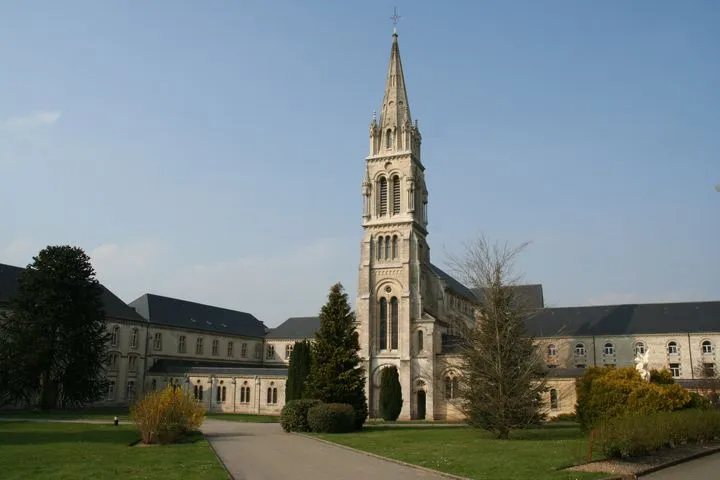
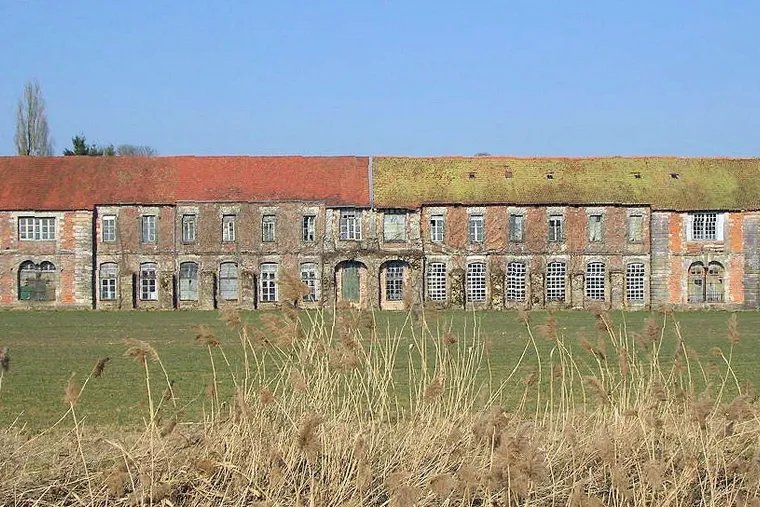
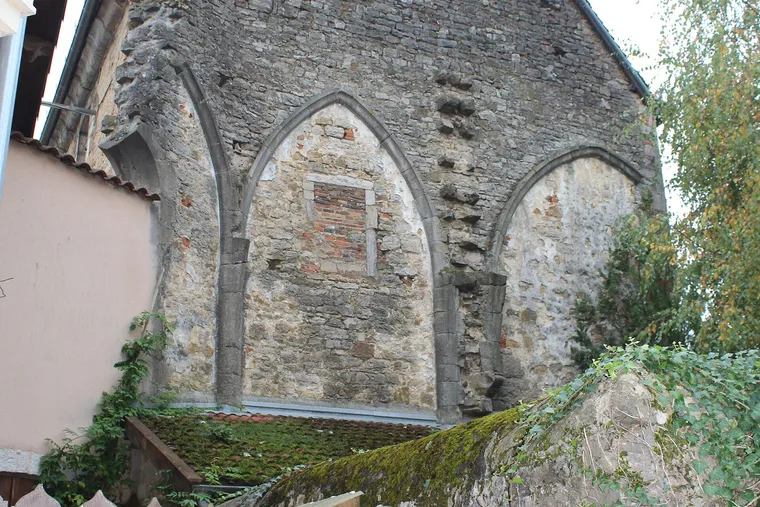
La Trappe is the abbey that gave the Trappists their name: Abbot de Rancé introduced the strict Cistercian observance here in the 1660s. A monastery has stood on the site since 1140 and the 13th-century guest house, a listed monument, is its only medieval survivor.
What it needs
On 6 March 2026 the monks announced they are considering leaving by 2028, citing the lack of vocations and the growing burden of the property. A plan presented in 2024 to restore the buildings and open the site to the public, estimated at 12 million euros, was dropped in 2025 for lack of backing. The Fondation du patrimoine page says the works are a condition for the community staying.
Before you act. The abbey is not for sale and not closed; the monks say so explicitly. The restoration collection is not open, so the only live route is the abbey's general donations page, which names no project. The €12 million figure comes from one press report. America magazine dates the monks' press release to 5 March 2026, not 6 March. Zenit (6 August 2026) already counts La Trappe among houses that have announced their closure.
Last checked 9 November 2026. Parts of this entry could not be fully confirmed; see the note above. Responsible body: Abbaye de La Trappe, via the Fondation des Monastères.
The Définitoire was damaged by fire in the 19th century, is largely disused and is described by the Fondation du patrimoine as in a state of peril; walls and roof come first. Once saved it is to house a study and research center holding the archives of the order, plus exhibition space. Works began in March 2025 and the donation drive is under half way to its target.
The whole complex is for sale and must be restored from top to bottom; the estate agent describes it as 'à réhabiliter entièrement'. It is the cheapest monastic building found in France: the price of a flat buys a protected 17th-century convent with its cloister and chapel choir. A buyer could return it to religious use or simply keep it standing.